
When To Plant Pumpkins
This article addresses when to plant pumpkins. Every September into October, customers order pumpkin seeds because it is fall. I guess they do not realize that most pumpkins take 120 days or four months to grow. There are a few that grow in about 90 days, but not many. If you want pumpkins in September and October, you need to plant the seeds in June and July. No one orders pumpkin seeds then. The truth is that every pumpkin patch you see in the fall was started back in the beginning of summer. Now let's talk some more about pumpkin growing.
June is the perfect time to plant pumpkin seeds for a bountiful harvest in the fall. Whether you're a seasoned gardener or a novice, here are some expert tips on how to plant and care for pumpkins to ensure a successful growing season.
When to Plant Pumpkin Seeds
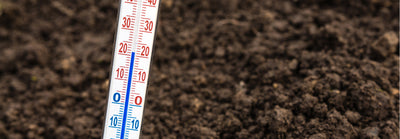
In June, the soil is warm and the risk of frost has passed, making it an ideal time to plant pumpkin seeds. Pumpkins thrive in full sun and well-drained soil, so choose a sunny spot in your garden with plenty of space for the vines to spread out.
How to Plant Pumpkin Seeds
Plant pumpkin seeds directly into the soil, about 1 inch deep and 2-3 feet apart. You can also start seeds indoors in biodegradable pots and transplant them once the seedlings have a few true leaves. Water the seeds well after planting and keep the soil consistently moist but not waterlogged.
Caring for Pumpkin Plants
Once your pumpkin seeds have sprouted, it's important to provide them with the proper care to ensure healthy growth. Here are some key tips for caring for your pumpkin plants:
Watering:
Pumpkins need about 1-2 inches of water per week, either from rainfall or irrigation. Water at the base of the plants to avoid wetting the leaves, which can lead to disease.
Fertilizing:
Use a balanced fertilizer to provide essential nutrients to your pumpkin plants. Apply fertilizer when the plants are actively growing, following the instructions on the product label.
Weeding:
Keep the area around your pumpkin plants free of weeds, which can compete for nutrients and water. Mulching can help suppress weeds and retain soil moisture.
Pollination:
Most pumpkin varieties require bees for pollination. To attract pollinators to your garden, plant flowers that bees love, such as lavender, sunflowers, and zinnias.
Pest and Disease Control:
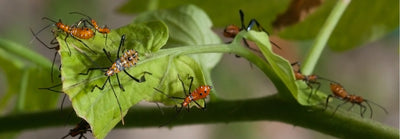
Monitor your pumpkin plants regularly for signs of pests or disease, such as powdery mildew or squash bugs. Use organic pest control methods when possible to protect beneficial insects.
By following these expert tips for planting and caring for pumpkins in June, you can enjoy a successful harvest of delicious, homegrown pumpkins in the fall. Happy gardening!
Share this
Popular posts