
Growing A Doomsday Garden
Click here to visit our website on Growing a Doomsday Gardening.
Preparing for the worst-case scenario is a smart move, and one way to ensure self-sufficiency is by growing a doomsday garden. In times of crisis, having access to fresh produce can be a game-changer. But how can one successfully grow a doomsday garden? Let's explore the essential steps to get started.
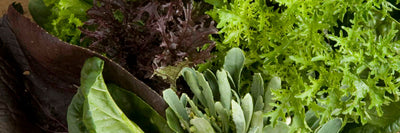
Growing off color vegetables -- those vegetable with colors you do not find in the store like purple beans or carrots -- is a way to camouflage your garden and dissuade scavengers from taking your vegetables.
Choosing the Right Location
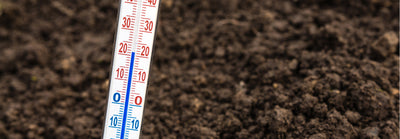
When planning a doomsday garden, selecting the right location is crucial. Opt for a spot that receives ample sunlight throughout the day. Ensure the area is easily accessible and well-drained to promote healthy plant growth. Consider the proximity to a water source for irrigation purposes.
Selecting the Ideal Plants
Not all plants are created equal when it comes to survival gardening. Focus on high-yield, nutrient-dense crops that are easy to grow and store. Some excellent choices include tomatoes, potatoes, beans, carrots, and leafy greens like kale and spinach. These plants are rich in essential vitamins and minerals, ensuring a well-rounded diet.
Stocking Up on Seeds
Seeds are the lifeline of a doomsday garden. Make sure to stock up on a variety of non-GMO, heirloom seeds that can be saved and replanted year after year. Having a diverse seed bank ensures resilience against crop failures and provides a continuous food supply.
But try to stay away from stocking up on hybrids because these will not produce true seeds for seed saving. Hint: Most of the vegetables in stores are hybrids.
Implementing Sustainable Practices
For long-term sustainability, it's essential to implement eco-friendly practices in your doomsday garden. Utilize composting to enrich the soil naturally and reduce waste. Practice water conservation techniques such as mulching to retain moisture and minimize evaporation. Embrace companion planting to deter pests and promote plant health.
Securing the Garden
In a doomsday scenario, protecting your garden from potential threats is paramount. Consider installing fencing or barriers to keep out wildlife and intruders. Implementing natural deterrents like thorny plants or companion flowers can also help ward off pests. Stay vigilant and regularly inspect your garden for any signs of damage.
By following these steps and dedicating time and effort to your doomsday garden, you can create a sustainable food source that provides nourishment and security in uncertain times. Remember, preparation is key, and a well-tended garden can be a lifeline in the face of adversity.
Share this
Popular posts