
Planting and Growing Watermelon
Watermelon is a delicious and refreshing fruit that thrives in warm climates. If you're looking to grow your own juicy watermelons, follow these expert tips for planting and cultivating this summer favorite.
When is the best time to plant watermelon?
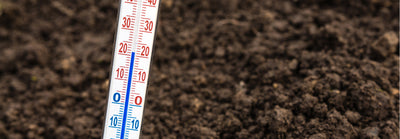
Watermelon plants require warm soil to germinate and grow successfully. Wait until the soil temperature reaches at least 70°F before planting your watermelon seeds or seedlings. In most regions, this means planting watermelon in late spring or early summer.
How much space do watermelon plants need?
Watermelon plants are known for their sprawling vines, so make sure to give them plenty of space to spread out. Each plant should have at least 2-3 feet of space between them, and rows should be spaced 6-8 feet apart to allow for proper growth and airflow.
What type of soil is best for growing watermelon?
Watermelon plants thrive in well-draining, sandy loam soil with a pH level between 6.0 and 6.8. Before planting, amend your soil with compost or well-rotted manure to improve fertility and drainage. Avoid heavy clay soils, as they can lead to poor root development and water logging.
How often should watermelon plants be watered?
Watermelon plants require consistent moisture to produce juicy fruits, especially during the flowering and fruiting stages. Water deeply once a week, providing at least 1-2 inches of water each time. Be sure to water at the base of the plant to avoid wetting the foliage, which can lead to disease. When the melon starts ripening, stop watering. Too much water will dilute the taste.
Do watermelon plants need fertilizer?
Watermelon plants are heavy feeders and benefit from regular fertilization throughout the growing season. Start with a balanced fertilizer at planting time, then switch to a fertilizer high in phosphorus once the plants start to flower. Be cautious not to over-fertilize, as this can lead to excessive foliage growth at the expense of fruit production.
How do you know when watermelons are ready to harvest?
Harvesting watermelons at the right time is crucial for optimal flavor and sweetness. Look for these signs that your watermelon is ripe: a dull, rather than shiny, skin; a yellow spot on the bottom where it rested on the ground; and a hollow sound when tapped. Additionally, the tendril closest to the fruit will dry up and turn brown when the watermelon is ready to be picked.
By following these expert tips for planting and growing watermelon, you'll be on your way to enjoying your own homegrown, sweet and juicy fruits in no time. Happy gardening!
Share this
Popular posts