
How To Grow Bell Peppers In Your Garden
Bell peppers are delicious raw and come in a lot of colors--green, yellow, red, orange, ivory, purple, and brown. They are good stuffed with rice and meat and baked for a complete meal. My grandmother used to make stuffed peppers for dinner and they were so good!
So how do you grow bell peppers in your garden?
When it comes to growing bell peppers, ensuring proper pest and disease management is crucial for a successful harvest. By taking proactive measures, you can protect your plants and maximize their yield. Let's explore some key strategies for effectively managing pests and diseases in bell pepper crops.
Bell peppers are a versatile and nutritious vegetable that can easily be grown in your own garden. Whether you are a seasoned gardener or a beginner, cultivating bell peppers can be a rewarding experience. Follow these expert tips to successfully grow bell peppers in your garden.
Choose the Right Location
Bell peppers thrive in warm and sunny locations, so choose a spot in your garden that receives at least 6-8 hours of sunlight per day. Make sure the soil is well-draining and rich in organic matter to provide the necessary nutrients for the plants to grow.
Start with Quality Seeds or Seedlings
Begin by selecting high-quality bell pepper seeds or seedlings from a reputable source. If starting from seeds, plant them indoors 8-10 weeks before the last frost date in your area. Transplant the seedlings outdoors once the soil has warmed up and all danger of frost has passed.
Planting and Spacing
When planting bell peppers, space them 18-24 inches apart in rows that are 24-36 inches apart. This spacing allows the plants to have enough room to grow and ensures good air circulation, which can help prevent diseases.
Watering and Fertilizing
Keep the soil consistently moist but not waterlogged to prevent issues like blossom end rot. Water the plants at the base to avoid wetting the foliage, which can lead to disease. Fertilize the plants with a balanced fertilizer every 2-3 weeks to promote healthy growth and fruit production.
Support and Pruning
As bell pepper plants grow, they may need support to prevent them from bending or breaking under the weight of the fruit. Stake the plants or use tomato cages to provide support. Additionally, prune any small shoots that develop in the leaf axils to redirect energy towards fruit production.
Pest and Disease Management
Identifying Common Pests
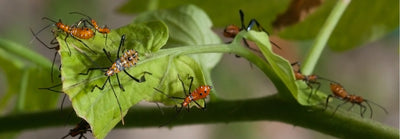
Before implementing any pest management strategies, it's important to be able to identify common pests that can affect bell pepper plants. Some of the most prevalent pests include aphids, spider mites, and caterpillars. Regularly inspecting your plants for signs of infestation, such as yellowing leaves or visible insects, can help you catch problems early.
Implementing Cultural Practices
One of the most effective ways to manage pests and diseases in bell peppers is through cultural practices. This includes practices such as crop rotation, proper spacing between plants, and maintaining good soil health. By creating a healthy growing environment, you can help prevent pest infestations and disease outbreaks.
Utilizing Natural Predators
Another eco-friendly approach to pest management is to introduce natural predators to your garden. Beneficial insects like ladybugs and lacewings can help control pest populations by feeding on them. Additionally, birds and frogs can also act as natural predators, keeping pest numbers in check.
Bell peppers are a versatile and nutritious vegetable that can be enjoyed in a variety of dishes. But do you know the best practices for harvesting bell peppers to ensure the highest quality and yield? Let's dive into the science behind harvesting bell peppers.
When is the Right Time to Harvest Bell Peppers?
Harvesting bell peppers at the right time is crucial for optimal flavor and texture. Bell peppers should be harvested when they reach their mature size and color. For most varieties, this means waiting until the peppers are firm, glossy, and fully colored. Green bell peppers are typically harvested before they fully ripen, while red, yellow, and orange bell peppers are left on the plant longer to develop their sweet flavor.
How to Harvest Bell Peppers
When it comes to harvesting bell peppers, it's important to handle the peppers with care to avoid damaging the plant. Using a sharp pair of scissors or pruning shears, cut the pepper from the plant, leaving a short stem attached. Avoid pulling or twisting the peppers off the plant, as this can damage the stem and affect future fruit production.
Maximizing Yield and Quality
To maximize your bell pepper yield and quality, it's essential to harvest the peppers regularly. Regular harvesting encourages the plant to produce more fruit and prevents overripe peppers from inhibiting new growth. Additionally, storing harvested bell peppers in a cool, dry place can help extend their shelf life and maintain their freshness.
By following these guidelines for harvesting bell peppers, you can enjoy a bountiful harvest of flavorful and nutritious vegetables. Remember to always handle the peppers with care and harvest them at the peak of ripeness for the best results.
Share this
Popular posts