

Grow Lettuce All Year Long
Fresh lettuce from your own garden makes a simple salad something to look forward to. With succession planting, the right varieties, and protection from temperature extremes, you can extend your harvest well beyond a single season. Growing lettuce all year long is a goal to plan around your climate, not a promise that every variety will grow outdoors in every month.
For gardeners in Texas and other hot climates, summer is often the biggest challenge. Lettuce prefers cool weather, and even heat-tolerant varieties can become bitter or bolt when temperatures climb. The key is to work with the seasons and use containers, shade, or an indoor growing space when outdoor conditions are unfavorable.
Before sowing, explore our guides to seed germination and soil temperature for planting to help you choose suitable conditions for starting your lettuce seeds.
Choose the Right Type of Lettuce
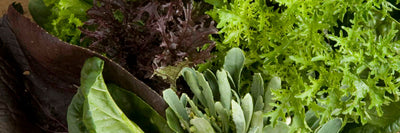
Different lettuce types offer different textures, harvest styles, and growing habits. Check each variety's planting guidance and days to maturity before choosing your seeds.
- Loose-leaf: A useful choice for frequent small harvests. Pick outer leaves while leaving the growing center intact, or grow closely spaced plants for baby greens.
- Romaine: Known for upright leaves and crunchy ribs. Harvest individual outer leaves or allow plants to develop into heads.
- Butterhead: Produces tender leaves in soft, loose heads. It is especially well suited to mild growing conditions.
- Summer crisp: Often a good option for extending the season into warmer weather. Heat tolerance varies by variety and does not mean a plant can withstand extreme summer heat.
- Iceberg or crisphead: Forms firm, crunchy heads and generally needs a sustained period of favorable cool weather. Do not assume iceberg is a heat-tolerant summer crop.
Spring: Start Early and Plant in Small Batches
Begin outdoor planting when your local conditions and seed-packet directions are suitable. Sow seeds shallowly in a prepared bed or container, and keep the seedbed evenly moist during germination. Lettuce seeds are small, so avoid burying them deeply.
Instead of planting your entire supply at once, sow a small batch about every two weeks while conditions remain favorable. This succession-planting approach helps spread out the harvest rather than producing more lettuce than you can use in one week.
Thin seedlings to the spacing recommended for the variety. Plants grown for full heads need more room than lettuce harvested as baby leaves.
Summer: Manage Heat and Set Realistic Expectations
Hot weather encourages lettuce to bolt, meaning it sends up a flowering stalk. Leaves often become bitter as the plant matures and heat stress increases. Warm soil can also make germination difficult.
Choose varieties specifically described as heat tolerant or slow bolting, and give plants morning sun with protection from intense afternoon heat. Shade cloth can help reduce sun exposure, but it cannot turn extreme heat into cool growing weather.
Keep soil consistently moist without leaving it waterlogged. Mulch around established plants to help conserve moisture, keeping mulch away from the stems. Harvest leaves young and check their flavor regularly.
In much of Texas, outdoor lettuce production may need to pause during the hottest part of summer. An indoor setup with adequate grow lights and a suitably cool room can be a more dependable option. A hot windowsill or an uncooled greenhouse may still be too warm.
Fall: Make the Most of Cooler Weather
As temperatures ease, lettuce can return to the garden. If the soil is still too warm for reliable germination, start seedlings in a cooler, bright location and gradually acclimate them before transplanting outdoors.
Continue sowing small batches, but allow extra time as days shorten and growth slows. Fall planting dates vary by region, so use local growing guidance rather than relying on a single calendar date for every garden.
Winter: Protect Plants and Expect Slower Growth
Lettuce can tolerate some cold, but its ability to withstand freezing conditions depends on the variety, plant maturity, and duration of the cold. Row covers, cold frames, and low tunnels can help extend the outdoor season, but they do not guarantee protection during a hard freeze.
Secure covers before cold weather arrives and ventilate enclosed growing spaces on sunny days to prevent overheating. Check soil moisture regularly, since covered beds still need water.
Where winter conditions are too harsh, grow lettuce indoors under suitable grow lights. Start with small batches of loose-leaf varieties and harvest young leaves. Short winter days and cool temperatures can slow outdoor growth, so plan ahead rather than expecting newly planted lettuce to replace a harvest immediately.
Everyday Care for Better Lettuce
- Prepare well-drained soil: Work finished compost into the bed before planting, or use a quality potting mix in containers with drainage holes.
- Water consistently: Lettuce has a shallow root system. Check moisture often, especially in containers, and water the soil rather than routinely soaking the leaves.
- Feed thoughtfully: Use soil-test recommendations where available, and follow fertilizer label directions. More fertilizer is not always better.
- Watch for pests: Inspect leaves regularly for aphids, slugs, and other damage. Identify the problem before choosing a control method, and use only products labeled for lettuce as directed.
- Keep a planting record: Note sowing dates, varieties, weather, and harvest quality. Your own results are a useful guide to what works in your garden.
Harvest for Freshness and Continued Growth
Harvest in the cool part of the day when possible. For repeat picking, remove a few healthy outer leaves without damaging the center of the plant. For head lettuce, harvest when the head reaches the size and firmness appropriate for the variety.
Remove plants that have bolted or no longer produce good-quality leaves, and replace them with a new sowing when the season allows. Rinse harvested lettuce under running water before eating, and refrigerate it promptly.
Build a Lettuce Plan That Fits Your Garden
A longer lettuce season starts with small, regular plantings and a willingness to adjust. Grow outdoors during favorable weather, use protection when it helps, and move production indoors or take a break when conditions become too extreme. You do not need to force the same planting method to work all year.
Choose lettuce varieties that suit your season, follow the directions on your seed packets, and keep track of what performs well. Each planting will help you build a more dependable supply of homegrown greens.
Nutritional Information: Fresh Lettuce
Lettuce adds fresh crunch and water to meals with very few calories. Nutrient amounts vary by lettuce type, growing conditions, and serving size. The approximate values below are for 1 cup of shredded raw romaine lettuce (47 grams), not lettuce seeds or the finished salad recipe.
- Calories: 8.
- Total fat: 0.1 gram.
- Carbohydrates: 1.5 grams.
- Dietary fiber: 1 gram, about 4% Daily Value.
- Protein: 0.6 gram.
- Vitamin A: About 205 micrograms RAE, or 23% Daily Value.
- Vitamin K: About 48 micrograms, or 40% Daily Value.
- Folate: About 64 micrograms DFE, or 16% Daily Value.
- Potassium: About 116 milligrams, or 2% Daily Value.
Percent Daily Values are based on a 2,000-calorie diet. These are general estimates for romaine; butterhead, loose-leaf, and iceberg lettuce have different nutrient profiles. Dressings and toppings change the nutrition of a finished dish.
Recipe: Garden Lettuce Salad with Lemon-Herb Dressing
Let your freshly harvested lettuce take center stage in this quick salad. Use romaine for crunch, butterhead for tender leaves, or a mixture of your favorite garden lettuces.
Servings: 4 side salads. Preparation time: About 15 minutes. Cooking: None.
Ingredients
- 6 cups fresh harvested lettuce, loosely packed and torn into bite-size pieces
- 1 cup sliced cucumber
- 1 cup cherry tomatoes, halved
- 1/4 cup thinly sliced red onion
- 2 tablespoons extra-virgin olive oil
- 1 tablespoon fresh lemon juice
- 1 teaspoon Dijon mustard
- 1 teaspoon honey, optional
- 1 tablespoon chopped fresh parsley or dill
- 1/8 teaspoon salt, or to taste
- Freshly ground black pepper, to taste
Directions
- Wash your hands and rinse the lettuce and other produce under running water. Dry the lettuce thoroughly with a salad spinner or clean towel so the dressing clings to the leaves.
- Place the lettuce, cucumber, tomatoes, and red onion in a large bowl.
- In a small bowl, whisk together the olive oil, lemon juice, Dijon mustard, optional honey, herbs, salt, and pepper.
- Drizzle about half the dressing over the salad and toss gently. Add more dressing to taste.
- Divide among four plates and serve immediately for the best texture.
Make it your own: Add sliced garden radishes for extra crunch or cooked, cooled chickpeas for a heartier salad. To prepare ahead, refrigerate the washed, dried vegetables and dressing separately, then toss just before serving.
Grow something beautiful. Grow something delicious. Grow with David's Garden Seeds®.
6 comments
Share this
Popular posts







opnmia
w8nfjl
hi5np4
046vbu
p5mopf
Leave a comment