
How to Grow Melons from Seed: Planting, Care, and Harvesting
Growing melons from seed is one of the most rewarding experiences in a home garden. From crisp watermelons and fragrant cantaloupes to honeydew and specialty melons, these sun-loving plants can produce exceptional fruit when they receive steady warmth, room to grow, and consistent care.
Choosing the Right Melon Variety
Choose a variety suited to your climate, available garden space, and growing-season length. Many melons need approximately 70 to 100 frost-free days to mature, although the exact time varies by variety. Gardeners with shorter seasons should look for earlier-maturing selections or start seeds indoors. Compact varieties can work well in smaller gardens, while vigorous vines need considerably more space.
Preparing the Planting Area
Melons thrive in full sun and warm, well-draining soil enriched with compost or aged manure. Select a location that receives at least six to eight hours of direct sunlight each day. A soil pH between 6.0 and 7.0 is generally suitable. Raised beds or slightly mounded rows can help improve drainage and allow the soil to warm more quickly in spring.
When to Plant Melon Seeds
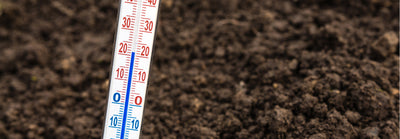
Melon seeds germinate best when the soil is warm, generally between 70°F and 85°F. Direct sow only after the danger of frost has passed and the soil has warmed consistently. In cooler climates, start seeds indoors about three to four weeks before the expected transplanting date. Harden seedlings off gradually, then transplant them after frost danger has passed, nighttime temperatures are reliably mild, and the garden soil is warm. Handle the roots gently because melons can be sensitive to transplant disturbance.
How to Plant Melon Seeds
Sow seeds about one inch deep. When planting in hills or mounds, sow three to four seeds per location and thin to the strongest one or two seedlings after they become established. Follow the spacing recommendations for the specific variety. Compact or trellised plants may be spaced more closely, while full-size trailing vines commonly need several feet between plants and wider spacing between rows. Good airflow helps reduce disease pressure.
Watering, Feeding, and Supporting the Vines
Keep the soil evenly moist during germination, flowering, and fruit development, but do not leave it waterlogged. Water deeply at soil level rather than wetting the foliage. Actual water needs depend on heat, rainfall, soil type, and plant size, so check the soil instead of relying on a fixed schedule. Mulch can conserve moisture, limit weeds, and keep fruit off bare soil.
Mixing compost into the bed before planting may provide much of the early nutrition the vines need. If additional fertilizer is used, follow its label carefully. Excess nitrogen can create abundant leaves at the expense of flowers and fruit. A sturdy trellis can support smaller-fruited varieties, but growing fruit may need slings. Large watermelons are usually easier to grow along the ground.
Pollination and Fruit Set
Melon vines produce separate male and female flowers. Male flowers usually appear first, while female flowers have a small swelling behind the blossom that resembles a tiny melon. Bees and other pollinators carry pollen between the flowers. Poor pollination may cause young fruit to stop growing and fall from the vine.
Avoid spraying open flowers or applying pest controls while bees are active. If pollinator activity is limited, flowers can be hand-pollinated in the morning by transferring pollen from a freshly opened male flower to the center of a female flower.
Managing Pests and Disease
Inspect leaves, stems, and flowers regularly for cucumber beetles, aphids, spider mites, powdery mildew, and other problems common in your area. Good spacing, crop rotation, clean garden practices, and watering at soil level can reduce disease pressure. Remove badly affected plant material and identify the problem before choosing a treatment.
If using insecticidal soap, horticultural oil, neem-based products, or another control, follow the product label. Do not apply treatments to open flowers or when pollinators are foraging, and avoid spraying plants during intense heat.
How to Tell When Melons Are Ripe
Ripeness signs differ by melon type and variety. Many watermelons develop a creamy yellow ground spot and a dry tendril near the fruit stem when mature, but sound alone is not always a reliable test. Many cantaloupes and other netted melons become fragrant and release from the vine with gentle pressure at the stem. Honeydew melons may soften slightly at the blossom end and develop their mature skin color without slipping from the vine. Review the traits of the variety you planted for the most dependable harvest cues.
Nutritional Value of Fresh Melons
Fresh melons are naturally hydrating and provide carbohydrates, vitamins, minerals, and beneficial plant compounds. The approximate values below are for one cup of raw, diced fruit. Actual nutrition varies by variety, serving size, growing conditions, and ripeness.
- Watermelon, about 152 grams: 46 calories, 11.5 grams carbohydrate, 9.4 grams total sugars, 0.6 gram dietary fiber, 12.3 milligrams vitamin C, and 170 milligrams potassium.
- Cantaloupe, about 156 grams: 53 calories, 13 grams carbohydrate, 12.6 grams total sugars, 1.4 grams dietary fiber, 58.7 milligrams vitamin C, and 417 milligrams potassium. Cantaloupe is also a notable source of vitamin A from beta-carotene.
- Honeydew, about 177 grams: 64 calories, 16.1 grams carbohydrate, 14.4 grams total sugars, 1.4 grams dietary fiber, 31.9 milligrams vitamin C, and 404 milligrams potassium.
These figures describe the harvested fruit, not the seeds sold for planting, and are provided for general educational purposes rather than medical or dietary advice.
Frequently Asked Questions
How long do melon seeds take to germinate?
In consistently warm, moist soil, melon seeds often emerge within several days to about two weeks. Cool or overly wet soil can delay germination and increase the risk of seed rot.
Can melons be grown in containers?
Yes. Choose a compact variety, use a large container with excellent drainage, and provide strong support if the vine will be trained vertically. Container-grown plants may need more frequent watering than plants in the ground.
Can melon vines be grown on a trellis?
Smaller-fruited varieties can often be trellised successfully. Secure the vines gently and support developing fruit with breathable slings. Large watermelons are generally better suited to growing along the ground.
Why are tiny melons falling off the vine?
The most common reason is incomplete pollination, although heat stress, irregular watering, or plant stress can also affect fruit set. Encourage pollinators and consider hand-pollinating newly opened female flowers.
Grow Melons Worth Waiting For
Successful melon growing begins with quality seed, warm soil, full sun, and attentive care. Give each plant enough room, protect pollinators, and learn the ripeness signs of your chosen variety. With patience, the reward is fragrant, flavorful fruit harvested at its peak.
Explore melon seeds from David's Garden Seeds® and start planning your next sweet summer harvest.
Share this
Popular posts