
Growing Mustard Greens
Mustard greens are a fantastic choice for home gardeners who want to add a peppery, nutrient-rich leafy green to their kitchen. Whether you're a beginner or an experienced grower, mustard greens are forgiving, fast-growing, and rewarding. This guide will walk you through everything you need to know to grow vibrant mustard greens in your garden.
Planting Mustard Greens
Mustard greens thrive in cool-season growing conditions, making them perfect for spring and fall gardens. You can direct seed them right into your garden bed or start seeds indoors and transplant seedlings later. Space seeds or seedlings about 6 to 12 inches apart, depending on the variety—closer spacing gives you smaller, tender leaves, while wider spacing produces larger plants.
Plant your seeds roughly a quarter-inch deep in well-draining soil rich in organic matter. Water gently after planting to keep the soil consistently moist until seedlings emerge, which typically takes 5 to 10 days.
Growing Conditions
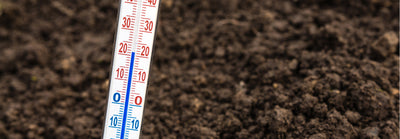
Mustard greens prefer full sun to partial shade and grow best when temperatures stay between 50°F and 70°F. They're cold-hardy and can tolerate light frosts, making them ideal for Texas fall and early spring planting. Keep the soil consistently moist but not waterlogged—aim for about one inch of water per week through rainfall or irrigation.
Feed your mustard greens with a balanced, nitrogen-rich fertilizer every two to three weeks to encourage leafy growth. Mulching around plants helps retain soil moisture and keeps roots cool during warmer spells.
Harvesting Your Greens
Most mustard green varieties are ready to harvest in 30 to 50 days, depending on the cultivar and growing conditions. You can pick individual outer leaves once plants reach 4 to 6 inches tall, or wait and harvest the entire plant by cutting it just above soil level. Continuous harvesting of outer leaves encourages the plant to produce more foliage.
For the most tender, mild leaves, harvest in the morning after dew has dried. Younger leaves tend to be less spicy, while mature leaves pack more of that classic mustard bite.
Common Pests and Solutions
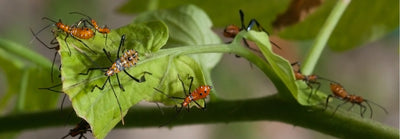
Watch for flea beetles and cabbage worms, common pests on brassicas like mustard greens. Row covers placed over young plants offer excellent protection. If pests appear, insecticidal soap or neem oil can help control light infestations without harsh chemicals.
Cooking with Fresh Mustard Greens
Once harvested, mustard greens are delicious sautéed with garlic and olive oil, added raw to salads for a peppery kick, or braised as a classic Southern side dish. Their bold flavor complements soups, stir-fries, and grain bowls beautifully.
Growing your own mustard greens means enjoying peak freshness and flavor that store-bought greens can't match. Plant a batch this season and discover why gardeners love this quick, reliable crop.
Nutritional Information
Calories: Approximately 15 calories per 1 cup of chopped raw mustard greens (about 56 grams), before adding oil, butter, or other ingredients.
Mustard greens bring more than flavor to your plate. Their harvested leaves provide dietary fiber and a range of vitamins and minerals, making them a useful addition to a varied diet.
- Vitamin K: Supports normal blood clotting and contributes to bone health.
- Vitamin C: Supports normal immune function and helps the body absorb iron from plant foods.
- Vitamin A: Mustard greens contain provitamin A carotenoids, which the body can convert to vitamin A to support normal vision and immune function.
- Dietary fiber: Adds fiber to meals and supports normal digestive function.
- Minerals: The leaves contribute minerals such as calcium and potassium as part of a balanced diet.
This information applies to harvested mustard greens, not planting seeds. Nutrient amounts vary with variety, serving size, growing conditions, and preparation. This is general nutrition information, not a variety-specific laboratory analysis.
Recipe: Garlic-Lemon Sautéed Mustard Greens
Turn your garden harvest into a simple side dish with fragrant garlic, olive oil, and a bright squeeze of lemon. Young leaves cook quickly; larger leaves may need a little more time to become tender.
Serves 4. Preparation: about 10 minutes. Cooking: about 8 minutes. Use harvested mustard greens, not the planting seeds.
Ingredients
- 1 pound fresh harvested mustard greens
- 2 tablespoons olive oil
- 3 garlic cloves, thinly sliced
- 2 tablespoons water, plus more if needed
- ¼ teaspoon salt, or to taste
- ¼ teaspoon black pepper
- 1 tablespoon fresh lemon juice
- Lemon wedges for serving, optional
- A pinch of crushed red pepper, optional
Directions
- Wash the greens thoroughly under running water, drain, and trim any tough stems. Roughly chop the leaves and tender stems.
- Warm the olive oil in a large skillet over medium heat. Add the garlic and cook for 30 to 60 seconds, stirring until fragrant without letting it burn.
- Add the greens in batches, turning them as they wilt. Add the water, cover, and cook for 2 to 3 minutes.
- Uncover and cook for another 2 to 4 minutes, stirring occasionally, until the greens are tender and most of the liquid has evaporated. If mature leaves need longer, add a splash of water and continue cooking until tender.
- Season with salt, black pepper, and optional crushed red pepper. Remove from the heat and stir in the lemon juice.
- Serve warm with lemon wedges alongside beans, rice, roasted vegetables, or your favorite main dish.
Make it your own: For a heartier bowl, serve the greens over cooked rice with white beans. For a milder dish, choose young leaves and leave out the crushed red pepper.
Leftovers: Refrigerate promptly in a covered container and enjoy within 3 to 4 days.
Grow Your Own Fresh Mustard Greens
Bring garden-fresh flavor to your table. Choose mustard greens seeds from David's Garden Seeds® and plan your next spring or fall planting.
Grow something beautiful. Grow something delicious. Grow with David's Garden Seeds®.
Share this
Popular posts